How to Personalize a Gift for Mom Without Making It Look Overdesigned
Personalized gifts have never been more popular. With print-on-demand technology and custom engraving available at a click, it has become easier than ever to put a name, date, or photo on almost anything. Yet despite all this convenience, many custom gifts end up looking cluttered, visually overwhelming, or so loaded with sentiment that they lose their elegance entirely.
The truth is, a meaningful gift does not need excessive customization to feel personal. In fact, the most touching gifts tend to be the ones that exercise restraint, letting a single thoughtful detail carry all the emotional weight.
In this guide, you will learn how to personalize gifts elegantly, which common design mistakes to avoid, subtle techniques that feel genuinely intentional, and real examples that strike the right balance between heartfelt and stylish.
For readers exploring more thoughtful gift inspiration, our guide to meaningful gifts for every mom can help narrow down ideas before choosing personalization.
Quick Answer
The best way to personalize a gift for Mom without making it look overdesigned is to focus on one meaningful detail, use subtle placement, choose quality materials, and avoid overcrowding the design with names, dates, photos, and excessive text. One well-chosen element always outperforms five competing ones.
How Can You Personalize a Gift Without Making It Look Overdesigned?
Personalize a gift by choosing one meaningful detail, using subtle placement, prioritizing quality materials, limiting text, and keeping the design visually balanced. Avoid combining multiple fonts, overcrowding with names and dates, or following trends that age quickly. The result should look intentional, not assembled from a template.
What Makes a Personalized Gift Feel Thoughtful Instead of Overdesigned?
Personalization Should Support the Gift, Not Become the Entire Gift
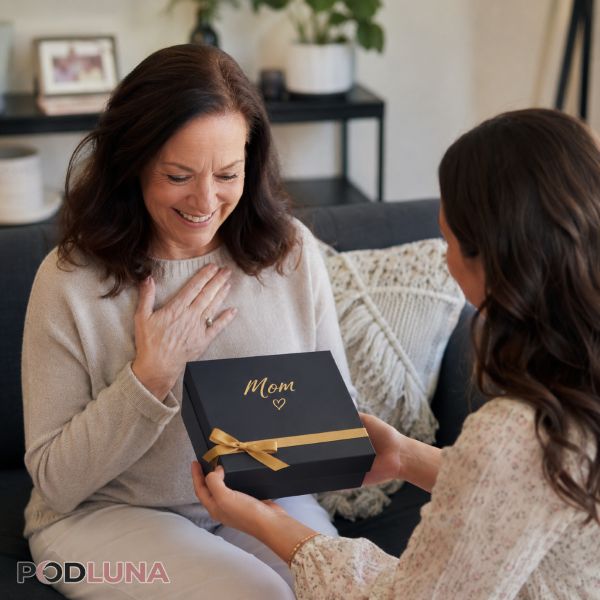
Personalization works best when it enhances something that already has value on its own. Think of it as a finishing touch rather than the main event. A beautifully crafted piece of jewelry becomes even more special with an engraved initial. A cozy, well-made sweatshirt gains emotional depth when a child’s name appears in a quiet, understated location.
The problem arises when customization becomes the centerpiece itself. When a gift exists only to display a name, a photo, or a quote, it tends to feel more like a novelty than a keepsake. Emotional value and visual noise are not the same thing, and knowing the difference is what separates a thoughtful giver from one who simply checked a box.
One pattern that comes up repeatedly is people trying to include every child’s name, birth date, favorite quote, and photo on a single item. Ironically, the more elements added, the less meaningful the final design often feels. Each addition competes for attention until nothing stands out at all.
The Three Signs a Gift May Be Overdesigned
- Too many personalized elements: Names, dates, locations, and photos all competing for attention on the same item
- Too much text: Long quotes, full sentences, or multiple lines of copy that overwhelm the design
- Too many competing design styles: Mixing fonts, color palettes, or graphic elements that do not belong together
If your custom gift checks more than one of these boxes, it is worth simplifying before finalizing the order.
Why Simplicity Often Creates Stronger Emotional Impact
Simple, restrained personalization tends to age better. A single initial engraved on a bracelet will still feel elegant a decade from now. A shirt covered in text, graphic elements, and three different font choices may feel dated within a season.
Timeless aesthetics also improve everyday usability. When a gift is visually calm, Mom is far more likely to actually wear it, use it, or display it. The emotional longevity of a personalized keepsake is directly tied to how well it integrates into her daily life without demanding attention.
What Is Overdesigned Personalization?
Overdesigned personalization occurs when a custom gift includes more decorative or informational elements than the item can visually support. This typically means combining multiple fonts, adding several names or dates, layering photos with text, or chasing a trend that overwhelms the base design. The result looks busy, reads as amateur, and often feels more like a filled-in template than a thoughtful, intentional gift.
Why the Human Brain Prefers Simpler Personalization
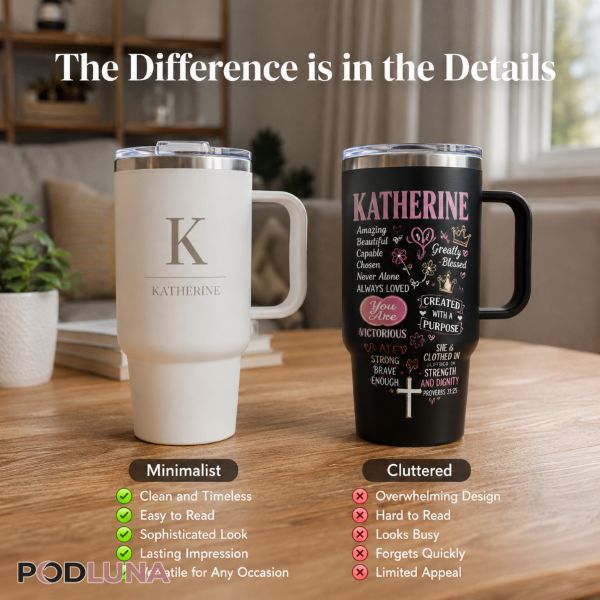
There is a psychological reason why restraint works in custom gift design. The brain processes visual information through selective attention, meaning the eye naturally gravitates toward a single clear focal point. When a design has one strong element, the brain can engage with it quickly and emotionally. When a design has five competing elements, the brain experiences cognitive overload, a state of processing fatigue that reduces emotional engagement.
Applied to personalized gifts, this means a single meaningful symbol or name draws the recipient in immediately. A cluttered design, by contrast, forces the brain to work through visual noise before it can arrive at the emotional core, and many people never fully get there.
The 80/20 principle applies directly here. Roughly 80 percent of the emotional impact of a personalized gift comes from choosing the right item in the first place. Only about 20 percent comes from the customization itself. When givers reverse this ratio, trying to make up for a mediocre product with heavy personalization, the result almost never lands the way they intended.
The Golden Rule Before Personalizing Any Gift for Mom
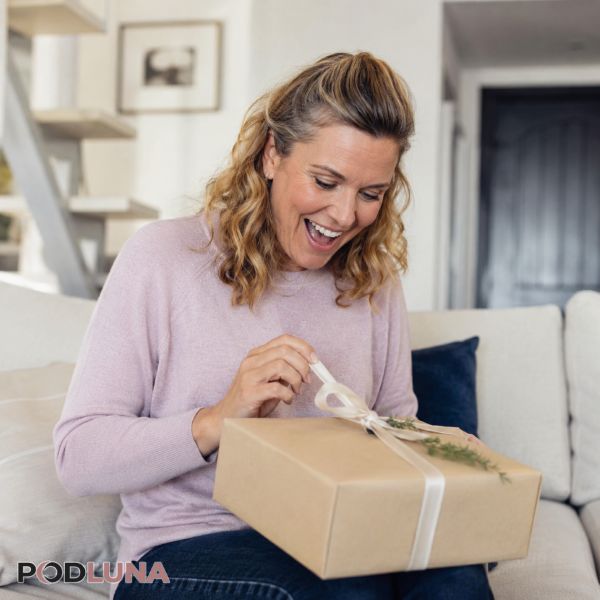
Start With Something She Would Love Even Without Customization
This is the most important step, and the one most people skip. Before thinking about what to put on the gift, ask yourself honestly whether she would love the item on its own. Would she wear this shirt if it had no text on it? Would she display this piece of home decor if it were blank? If the answer is no, customization will not save it.
Strong base items for personalization include well-cut apparel in her preferred colors, quality jewelry she would choose herself, home decor that fits her existing aesthetic, and family keepsakes made from durable, premium materials like ceramic, wood, linen, or sterling silver. Elegant personalized gifts always begin with a strong foundation.
Match the Gift to Her Lifestyle First
Different moms have different relationships with personalization. A practical mom wants gifts she can actually use, so functional items with subtle customization work best. A sentimental mom will treasure references to family, milestones, or memories. A minimalist mom gravitates toward clean lines and quiet details like monograms or birth flowers. A busy mom appreciates gifts that feel thoughtful without requiring upkeep or display space.
If you’re still deciding which type of gift fits her personality, browsing our collection of thoughtful presents for mothers can provide inspiration based on different interests and lifestyles.
7 Elegant Ways to Personalize a Gift Without Overdoing It
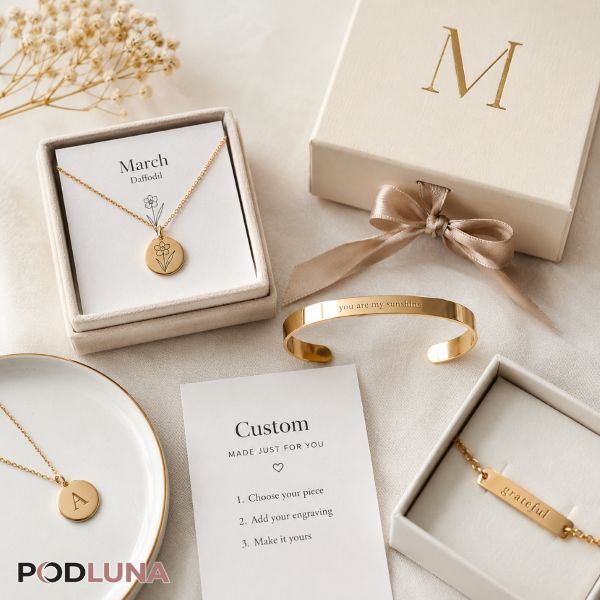
Use One Meaningful Detail Instead of Several
Choose a single detail that carries real meaning: a child’s name, the date of a milestone, or a set of initials. One well-chosen element creates focus and emotional clarity. Multiple elements compete with each other and dilute the sentiment. When people regret a personalized gift, the reason is rarely that the design was too simple. More often, it is because too many ideas were squeezed into one product.
Choose Subtle Placement Over Large Displays
Where personalization appears on a gift matters as much as what it says. A small chest print, a sleeve detail, or an inside engraving feels intentional and understated. A large centered graphic that dominates the entire front of a shirt announces itself loudly and leaves little room for the product itself to breathe.
For custom apparel, consider placement that invites a closer look rather than one that broadcasts from across the room. Tasteful personalization rewards attention rather than demanding it.
Let Symbols Tell the Story
Not every personalized gift needs words. Birth flowers, family tree motifs, coordinates of a meaningful location, and simple meaningful icons can communicate depth without covering a design in text. Symbols invite curiosity and create a more personal story for the person who receives the gift. A birth flower rendered in a fine line style, for instance, is immediately personal without ever needing a name attached.
Personalize Around a Memory, Not Just a Name
Names are common. Memories are specific. When you tie personalization to a shared experience, a location that mattered, or a moment she would recognize immediately, the gift becomes something no one else could have given her. That specificity is what creates lasting emotional resonance that a generic monogram simply cannot replicate. For the sentimental mom in particular, a design inspired by a real memory will outperform any off-the-shelf custom option every time.
Use Quality Materials to Carry the Meaning
Craftsmanship often matters more than customization volume. A single name printed on a shirt made from high-quality fabric says more than ten names on a flimsy one. When the base product is excellent, whether that means soft heavyweight cotton, hand-finished edges, or premium jewelry metals, the personalization does not need to work as hard. The material quality itself communicates care and consideration.
Keep Typography Clean and Minimal
If a gift uses text, three rules apply without exception. Stick to one font family throughout the design. Limit the copy to what is truly necessary. Give the letterforms room to breathe with balanced spacing. Clean typography reads as intentional and premium. Cluttered typography reads as an afterthought. For custom engraving and monogram gifts in particular, a classic serif or restrained script in a single weight almost always outperforms decorative alternatives.
Think About How the Gift Will Look Five Years From Now
Timeless personalization passes the five-year test. Avoid trendy fonts, current slang, and design styles that feel very tied to a particular cultural moment. Ask yourself whether this gift will still feel relevant and beautiful years from now. Heirloom gifts earn that status precisely because they were designed with longevity in mind from the start.
Personalization Mistakes That Instantly Make a Gift Look Cheap
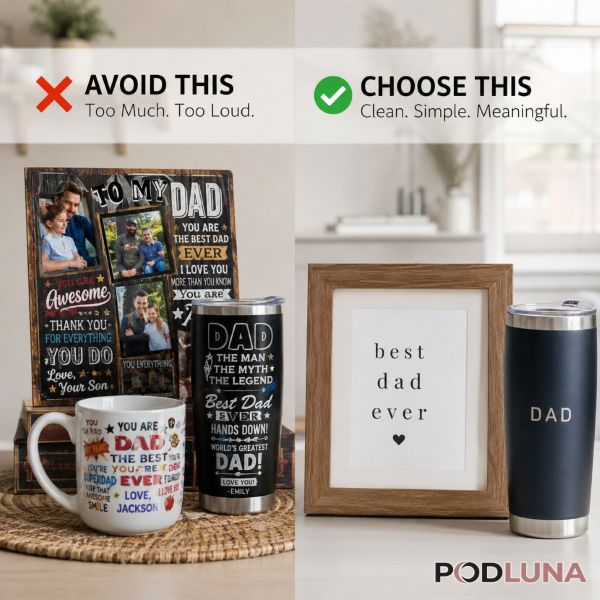
Adding Too Many Photos
Photo gifts can be deeply meaningful when used with restraint. A single high-quality image, well composed and printed on a quality substrate, can anchor a design beautifully. Covering an item with a collage of images or using a low-resolution photo creates a visually busy result that looks more like a printout than a gift. If using photography, choose one image that tells the whole story.
Combining Multiple Fonts
Using two or more typefaces in a single design is one of the fastest ways to make a custom gift look amateur. Each font carries its own visual personality, and when they clash, the eye does not know where to land. A single clean typeface, used consistently, always reads as more considered and intentional.
Using Generic Quotes Everyone Has Seen
Phrases that appear on thousands of products carry almost no personal weight. If the goal is to include a quote, choose something specific to her, something she actually says, something that references a shared moment, or a value genuinely unique to her. A line no one else would recognize is worth more than the most popular sentiment on the internet.
Overcrowding the Design With Names and Dates
Listing every child’s name, birth date, and the current year all on one item turns a keepsake into a data sheet. Pick the details that carry the most meaning and leave the rest out. Restraint here is an act of curation, not laziness.
Following Trends That Age Quickly
Highly specific color combinations, typography trends, or graphic styles that dominate a particular season may look dated within a year or two. When personalization chases trends, it sacrifices the longevity that makes a custom gift worth keeping.
What makes a personalized gift look cheap? Overcrowded design, multiple competing fonts, low-quality materials, generic phrases, and trend-driven styles are the most consistent culprits. A gift that tries to say everything often communicates nothing. When in doubt, take something out rather than add something new.
How Different Types of Moms Prefer Different Levels of Personalization
For the Minimalist Mom
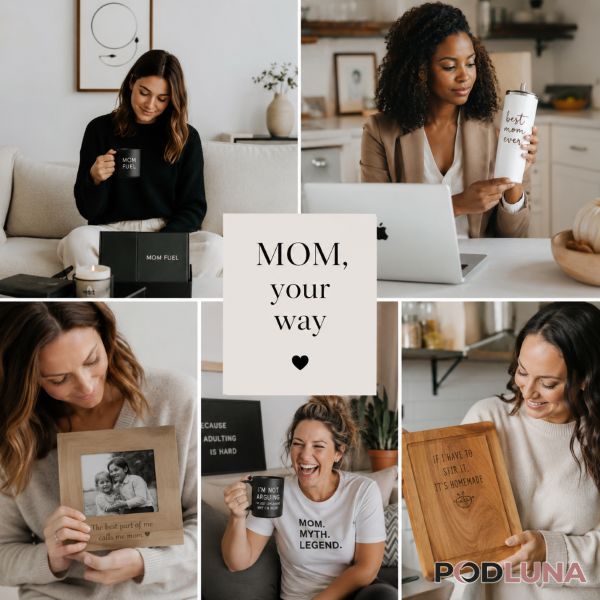
Keep customization architectural and quiet. A single initial in a classic font, a birth flower rendered in a fine line style, or a clean monogram on a neutral background will feel curated rather than commercial. For the minimalist mom, less is not just acceptable, it is exactly right. A design like the custom family appreciation shirt works here because it communicates family connection through a focused concept without overloading the visual field.
For the Sentimental Mom
Lean into family references and memory-driven details. Handwritten-style fonts, the names of her children, or a design inspired by a meaningful shared moment will resonate deeply. She values connection over aesthetics, so let the story come through clearly without competing elements. A piece like personalized nurse mom apparel works well here because it honors two parts of her identity simultaneously without requiring the design to carry excessive weight.
For the Working Mom
Choose functional gifts with a professional aesthetic. A personalized item she can use in her daily routine with clean typography and a polished look shows that you respect both her identity as a mother and the other dimensions of her life.
For the First-Time Mom
Milestone memories and her child’s name are powerful choices here. First-time moms are in the process of building a new identity, and a gift that honors that transition with one meaningful, well-designed detail feels like genuine recognition rather than a generic gesture. Items like this shirt celebrating the parenting journey work because they tell a real story without relying on excessive customization elements.
For the Humor-Loving Mom
Lighthearted personalization works beautifully for moms who do not take themselves too seriously. Playful messaging paired with clean design shows personality without sacrificing taste. For moms who appreciate humor, a piece like this funny overstimulated mom shirt demonstrates how a specific, relatable concept can carry an entire design without requiring visual complexity to land.
Real Examples of Personalized Gifts That Stay Stylish and Meaningful
The strongest personalized gifts share a common trait: the concept does the work, so the design does not need to be overloaded. The following example illustrates how focused customization creates something that feels both personal and visually balanced.
Simple Personalized Gifts for Mothers and Daughters
A design such as this gift for girl moms highlights one specific relationship while maintaining a clean visual style. Sometimes naming a single bond is more powerful than cataloguing every relationship she holds. The specificity is what makes it feel genuinely personal rather than broadly sentimental.
The Quiet Luxury Approach to Personalized Gifts
Why Less Customization Often Feels More Premium
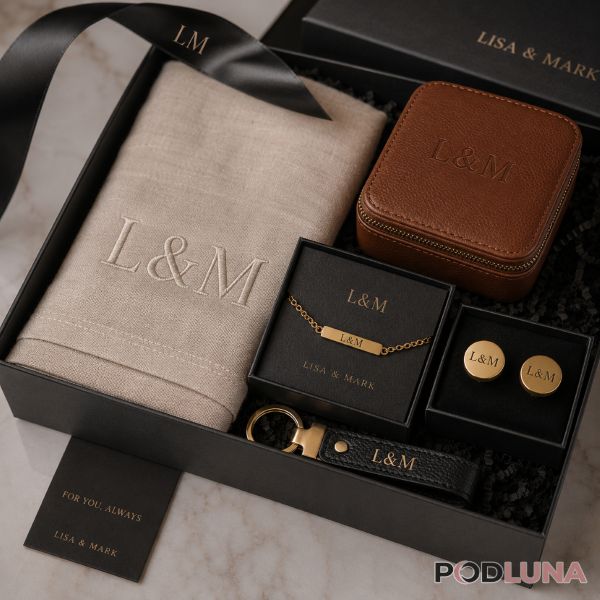
Premium brands rarely shout. A luxury item earns its status through quality of materials, clarity of design, and restraint in decoration. The same principle applies to personalized gifts. When you resist the urge to add more, what remains carries more weight. A single engraved detail on a high-quality piece communicates more care than a heavily decorated item on an ordinary product.
Quality, Meaning, and Restraint Create Lasting Value
A gift that will be worn, displayed, or used for years earns its place through usefulness and beauty, not complexity. Meaning does not require volume. A single well-chosen word in a clean typeface on a quality material is worth far more than a cluttered design on a forgettable product. Custom engraving on sterling silver, a monogram embroidered on fine linen, or a birth flower rendered precisely on heavyweight cotton all belong in this category.
The Difference Between Sentimental and Sophisticated
Sentimental gifts speak to the heart. Sophisticated gifts speak to both the heart and the eye. The best personalized gifts for Mom achieve both, carrying genuine emotional meaning while presenting it in a way that reflects good taste and careful thought. That combination does not require a large budget or an elaborate design. It requires choosing well and editing honestly.
At Podluna, through years of creating personalized gifts for families, we have found that the most memorable designs are often the simplest. The ones that endure are rarely the ones that tried the hardest to include everything.
A Simple Checklist Before Ordering Any Personalized Gift
Use these five questions to pressure-test any custom order before finalizing it.
- Would Mom like this even without customization? If the answer is no, the personalization is carrying too much weight. Start with a stronger base item before adding anything to it.
- Is the personalization meaningful to her specifically? Generic names and dates are common. A detail that connects to a specific memory, relationship, or milestone is rare, and that rarity is exactly where the value lives.
- Does the design still look balanced? Step back and evaluate the overall composition. If one element dominates or several elements compete for attention, simplify before ordering. A balanced design reads as intentional. An unbalanced one reads as rushed.
- Will it age well over time? Trend-driven elements date quickly. Choose personalization that will still feel relevant and beautiful five or ten years from now. Timeless choices include monograms, birth flowers, coordinates, initials, and simple meaningful symbols.
- Does it reflect her personality rather than mine? The gift should speak to who she is, what she values, and how she lives. Designing a personalized gift for your own taste rather than hers is the most common mistake in custom gifting, and one of the easiest to avoid.
Common Questions People Ask Before Personalizing Gifts for Mom
How Much Personalization Is Too Much?
A useful rule of thumb is to limit yourself to one or two meaningful details per item. When a design requires explanation, it has too much going on. The best personalized gifts communicate their meaning at a glance, without the recipient needing to read several lines of text or decode multiple visual elements before understanding what they are holding.
Are Names or Initials Better for Elegant Gifts?
Initials tend to feel more refined and versatile across styles. A full name is warm and direct, which works well for sentimental styles and first-time mom gifts. For minimalist, monogram, or sophisticated aesthetics, a single initial in a clean typeface is almost always the stronger choice. It is specific enough to feel personal but restrained enough to feel polished.
Should Personalized Gifts Include Photos?
Photos work best when used sparingly and with a high-quality source image. A single meaningful photo can anchor a design beautifully. Multiple photos in a collage format almost always create visual noise that undermines the emotional impact you are trying to achieve. If including a photo, treat it as the entire design rather than one element among many.
What Is the Most Timeless Way to Customize a Gift?
Monograms, birth flowers, coordinates, and simple symbols have remained meaningful for decades because they communicate something specific without relying on trends. Pairing any of these with quality materials and clean typography creates a custom gift with genuine staying power. Custom engraving and fine-line illustration in particular have a long history of aging exceptionally well.
Can Personalized Gifts Still Look Modern and Minimalist?
Absolutely. Modern minimalism and personalization are fully compatible. A birth month flower in a fine line style on a high-quality neutral piece, a single initial in a contemporary sans-serif font, or a set of meaningful coordinates in small clean text can each feel both current and enduring. The key is editing down to the one detail that matters most and giving it enough visual space to be seen clearly.
Conclusion
The best personalized gifts are not necessarily the most customized. They are the ones that reflect a genuine connection while maintaining simplicity, quality, and timeless appeal.
Every element you add to a custom design is a deliberate decision, and the most powerful decision you can make is often the one to leave something out. Focus on one detail that genuinely matters, pair it with a gift she would love regardless of the personalization, and present it in a design that will look just as considered five years from now as it does today.
That is the real art of the personalized gift, and it is available to anyone willing to choose carefully rather than add endlessly.